The Real Meaning of "Compostable": A Guide to Bioplastics, BPI Certification, and Your Coffee Pods
Update on Oct. 10, 2025, 7:08 p.m.
It’s a familiar morning ritual, culminating in a small act of environmental hope. You toss the used coffee pod into the green bin, trusting the “compostable” label. You envision it breaking down, returning to the earth, becoming soil. But what really happens after the lid closes? Does that pod embark on a journey to regeneration, or does it, despite its green credentials, meet a less virtuous fate?
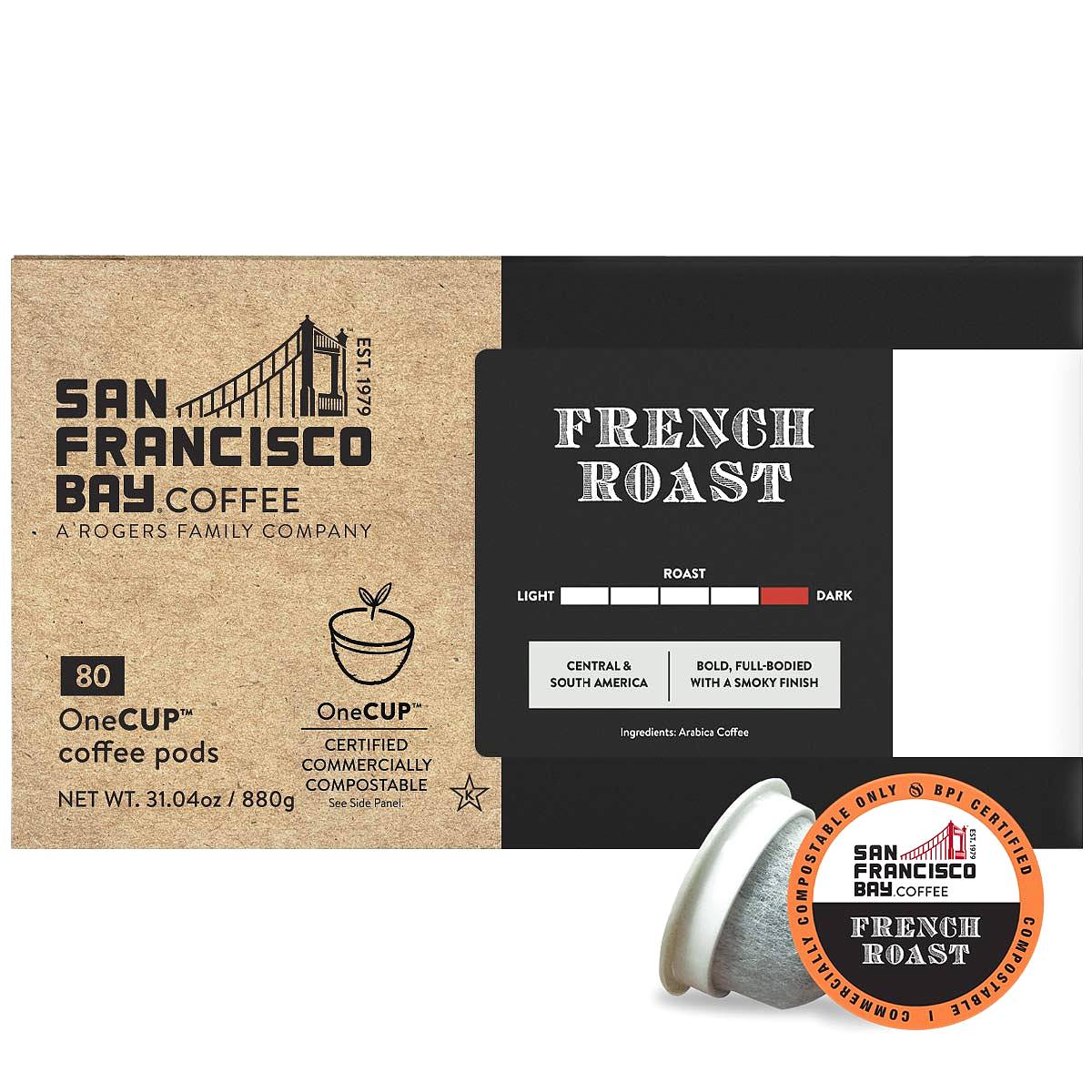
The promise of a guilt-free, convenient cup of coffee is alluring. Products like the San Francisco Bay Coffee pods, which are BPI certified compostable, represent a significant engineering effort to solve the plastic waste crisis spawned by single-serve brewers. Yet, the true success of this solution hinges not just on the pod’s design, but on a complex system of science, infrastructure, and consumer understanding. To truly grasp its impact, we need to look beyond the label and follow the pod on its potential journey.
Decoding the Language: Why “Biodegradable” and “Compostable” Are Not the Same
Before we dive deeper, we must clarify two of the most misused terms in sustainable marketing: biodegradable and compostable.
Biodegradable is a wonderfully broad term. It simply means a material can be broken down by microorganisms like bacteria and fungi over time. A banana peel is biodegradable. A log of wood is biodegradable. Technically, even petroleum-based plastic is biodegradable, though it might take a thousand years. The term carries no timeframe and no guarantee about the end product; it could leave behind toxic residues.
Compostable, on the other hand, is a precise, scientific standard. For a material to be called compostable, it must break down under specific conditions into a nutrient-rich, non-toxic material called humus. Critically, this process must occur within a specific timeframe (typically 90-180 days in a commercial facility). All compostable items are biodegradable, but the vast majority of biodegradable items are not compostable.
This distinction is the foundation of understanding why your coffee pod is an engineered product, not just a simple piece of organic matter.
The Science Inside: Meet PLA, the Plant-Based Plastic
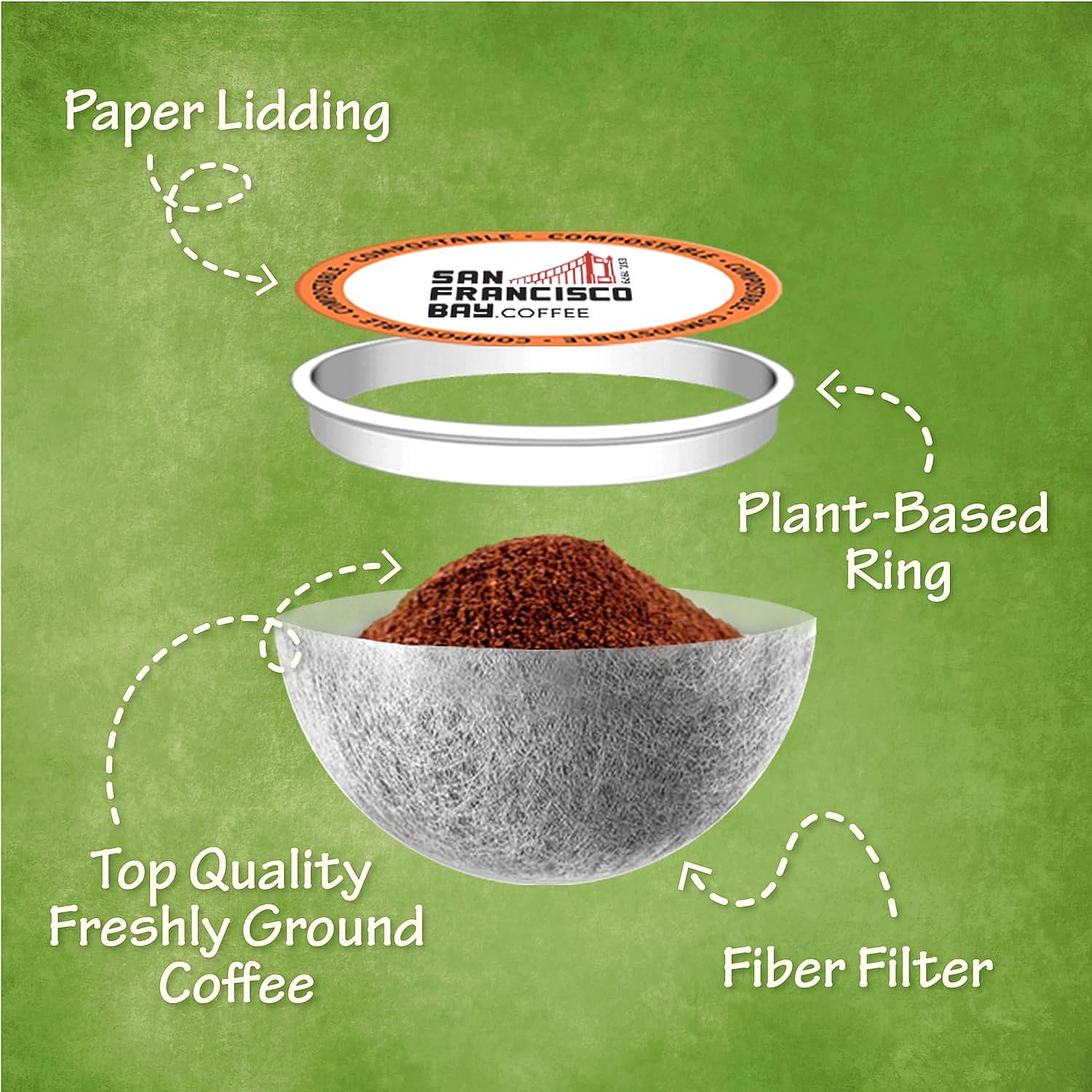
So, what is a “compostable” pod made of? Instead of petroleum, its primary building block is often a bioplastic called Polylactic Acid (PLA). As the name suggests, it’s derived from lactic acid, which is produced by fermenting plant starches from sources like corn or sugarcane.
At a molecular level, PLA is a polyester. It consists of long chains of repeating lactic acid units. This structure gives it properties similar to conventional plastics like PET (used in water bottles), making it rigid, clear, and capable of being molded into the familiar pod shape. The key difference lies in the bonds holding the polymer chains together. Unlike the stubborn carbon-carbon bonds in fossil-fuel plastics, the ester bonds in PLA are susceptible to hydrolysis—a process where water breaks them down—but only under a very specific set of conditions.
The Crucible of Composting: Why “Industrial” Facilities Matter
This brings us to the most crucial part of the pod’s journey: its destination. That compostable pod is not designed for the gentle, ambient environment of your backyard compost pile. It is engineered exclusively for an industrial or commercial composting facility.
These facilities are highly controlled environments, meticulously managed to optimize the decomposition process. They maintain three key conditions, which we can call the “T.O.M.” of composting:
- Temperature: The core of a commercial compost pile is intensely hot, consistently reaching 55-75°C (131-167°F). This sustained heat is critical. It’s the primary catalyst that triggers the hydrolysis of PLA, breaking its long polymer chains into smaller, more digestible pieces for microorganisms. Your backyard pile might get warm, but it rarely sustains these temperatures long enough.
- Oxygen: Large piles are regularly turned or aerated to supply a constant flow of oxygen, promoting the growth of aerobic bacteria—the most efficient decomposers.
- Microbes: These facilities cultivate a thriving, diverse community of microorganisms specifically suited for breaking down complex organic materials, including tough bioplastics.
Without this trifecta of intense heat, oxygen, and a robust microbial workforce, a PLA-based pod will sit inert for years, much like a conventional plastic one.
The Seal of Trust: What BPI Certification Really Guarantees
How can you be sure a product is truly designed for this industrial process? You look for a third-party certification. In North America, the leading authority is the Biodegradable Products Institute (BPI).
When you see the BPI logo on a package, like the one for the San Francisco Bay pods (Certificate #: 10528660-1), it isn’t just a marketing claim. It is a verifiable guarantee that the product has passed a battery of rigorous scientific tests based on the ASTM D6400 standard. This standard specifies three critical pass/fail criteria:
- Disintegration: Within 84 days in a simulated composting environment, less than 10% of the original material can remain on a 2mm screen. It must physically fall apart.
- Biodegradation (Conversion to CO₂): At least 90% of the organic carbon in the material must convert into carbon dioxide within 180 days. This proves it is being consumed by microbes, not just fragmenting into micro-plastics.
- Eco-toxicity: The final compost produced must be tested on plants to ensure it contains no toxic residues that could harm plant growth.
This certification is the gold standard. It separates genuinely engineered compostable products from those making vague “eco-friendly” claims.
The Infrastructure Gap: The Sobering Reality of Access
Here, we must face a difficult truth. A BPI-certified pod is a perfectly designed key, but in many places, we haven’t built the right lock. The availability of commercial composting facilities that accept food scraps and compostable packaging is not yet universal.
According to a 2021 report, only a fraction of the U.S. population has access to such curbside programs. This creates the “infrastructure gap”: the disconnect between a product’s potential and the system’s ability to realize it. If a compostable pod is sent to a landfill, it’s arguably worse than its plastic counterpart. Deprived of oxygen in an anaerobic landfill environment, it can release methane, a potent greenhouse gas.
Conclusion: From Educated Consumer to Empowered Advocate
Understanding the journey of a compostable pod transforms us from passive consumers into informed participants in the circular economy. We learn that “compostable” is not a magic wand, but a scientific label for a specific disposal pathway.
Your choice to buy a product like a BPI-certified coffee pod is a meaningful first step. It supports companies investing in sustainable materials. But the journey doesn’t end when you drop it in the bin. The next, perhaps more powerful, step is to become an advocate.
Check if your municipality has a curbside organics program that accepts compostable packaging. If it does, you are closing the loop. If it doesn’t, ask why. Your inquiry, joined with others, signals to policymakers that there is a demand for the infrastructure needed to make these sustainable innovations work.
The small pod in your hand holds more than just coffee. It holds the potential for a circular future—a future we can only unlock with scientific literacy and collective action.


